Recording summary · October 2020
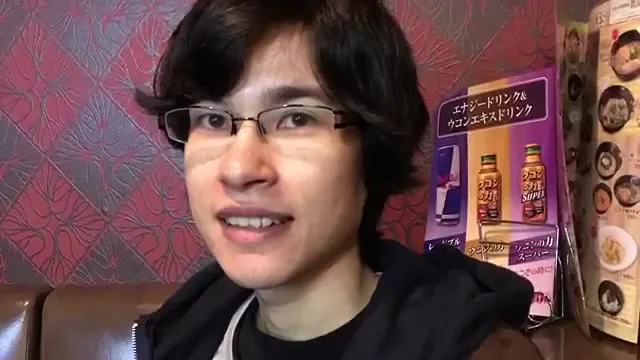
Japanese man reacts to Filthy Frank - SO FUNNY
AI-generated reading aids, not verified accounts.
These summaries describe what appears in the transcripts. A speaker’s claims are not established facts, and transcription or speaker-label errors can carry through. Check the linked transcripts and original recordings for context.
Months and years group recording metadata—not necessarily when an event happened. Undated recordings remain separate.
Read this recording’s transcript →
Overview
Daniel opened by presenting a definition of a weaboo as a non-Japanese person who denounces their native culture to identify as Japanese, and addressed past viewer beliefs that Daniel was homeless in the preceding year.
Daniel criticized reaction channels as parasitic content theft that contributes minimal input, specifically highlighting Japanese creators who amass high view counts reacting to Filthy Frank content years after uploads stopped.
Japanese reaction creators are characterized as often remaining silent, confused, oblivious to humor, or merely focusing on Frank's Osaka dialect, while Filthy Frank's fanbase seeks validation through these reactions following the creator's departure for a music career two years prior.
Japan is characterized as lagging behind global trends, exemplified by the delayed reception of Game of Thrones.
Themes
The definition of a weaboo.
Critique of online reaction channels and content leeching.
Japanese reaction videos to Filthy Frank and fanbase behavior.
Perceptions of cultural trends and delayed adoption in Japan.
Past viewer beliefs concerning Daniel's living situation.
Developments
Daniel shared a clip or remark defining a weaboo.
Filthy Frank stopped uploading videos two years prior to pursue music.
Uncertainties & gaps
Whether Japanese reactors realize Filthy Frank is a fictional persona rather than a real person is questioned.